Safety near the Route 5 corridor
If a vehicle stops near the bridge corridor or another limited-shoulder location, turn on hazards and move away from traffic when safe. Call 911 first for a blocked lane, collision or immediate danger.
 24/7 Tow Line573-316-5005
Hurricane Deck towing
The Hurricane Deck area connects Route 5 traffic with west-side lake roads, residential areas and visitor destinations. Camden County Tow provides towing and roadside support with one direct 24/7 call.
For towing, roadside assistance, winch-outs or vehicle transport in Hurricane Deck, call Camden County Tow’s 24/7 line at 573-316-5005. Share your exact location, vehicle condition and destination so current availability can be confirmed.
Service-area coverage
Camden County Tow dispatches mobile towing and roadside service to vehicles in Hurricane Deck and west-central Lake area. This is a service-area page, not a separate storefront. Call with the exact pickup point, vehicle condition and destination so current availability and access can be confirmed.
24/7 direct tow line • 573-316-5005
Available in Hurricane Deck
These are Camden County Tow’s principal services for drivers and authorized property decision-makers in the area. Exact service depends on the vehicle, location, access and current availability.
Call Camden County Tow for jump starts, tire changes, vehicle lockouts and fuel delivery across Camden County and the Lake of the Ozarks.
Learn more →Vehicle recoveryWinch-Out & Vehicle RecoveryCamden County Tow provides careful winch-outs and vehicle recovery for ditches, soft ground and difficult locations around the Lake of the Ozarks.
Learn more →Local vehicle transportVehicle Transport in Camden CountyDependable local vehicle transport for cars, motorcycles and other light-duty vehicles in Camden County and the Lake of the Ozarks.
Learn more →For property decision-makersPrivate-Property Towing at the LakeQualified contracted Lake of the Ozarks properties may receive designated towing signs and standard installation; eligibility and scope are confirmed during evaluation.
Learn more →If a vehicle stops near the bridge corridor or another limited-shoulder location, turn on hazards and move away from traffic when safe. Call 911 first for a blocked lane, collision or immediate danger.
Direction of travel and the nearest road or business can prevent a long reroute. Send a map pin and state whether you are northbound or southbound on Route 5.
Battery service, tire changes, lockouts and fuel delivery may be available. Mechanical failure, overheating, collision damage or an unusable spare may require a tow.
Private drives and shoreline roads may have sharp grades and limited space. Describe the surface, available approach and vehicle position, especially if it is near water or off the pavement.
How service works
Share a map pin or address, direction of travel, vehicle details and what happened.
We evaluate access, safety, equipment needs, destination and current availability.
The vehicle is assisted, recovered or transported according to the confirmed plan.
Before you call from Hurricane Deck
You do not need every answer before calling. Share what you know, and mention any immediate traffic or safety concern first.
Address or map pin, road name, direction of travel and the nearest safe entrance.
Vehicle type and whether it rolls, steers, brakes or has damaged wheels.
Traffic, ditches, soft ground, gates, grades, garage clearance or limited turning room.
Repair shop, residence or other destination—and whether it can accept the vehicle.
Camden County Tow
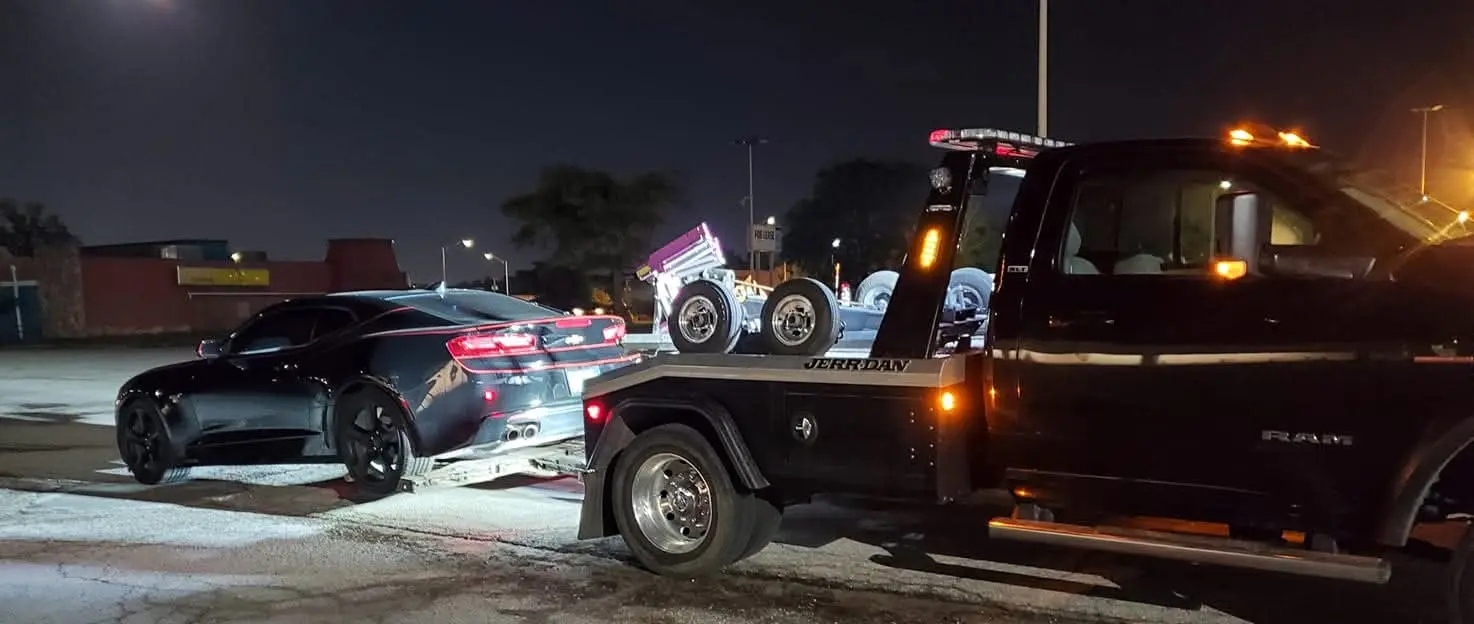
The fleet photographs on this site show Camden County Tow equipment. When you call, share the exact location, vehicle condition and any access concern so the right service can be discussed.
About Camden County TowStraight answers
Yes, subject to current availability and safe access. Give your direction of travel and exact map location.
Call 911 and follow dispatcher instructions. Do not stand in the roadway or attempt repairs in an exposed traffic lane.
Fuel delivery may be available. Confirm fuel type, exact location and whether the vehicle is in a safe position.
Possibly. Safe photos and details about grade, surface, curves, gate access and turnaround space are important.
Nearby coverage